
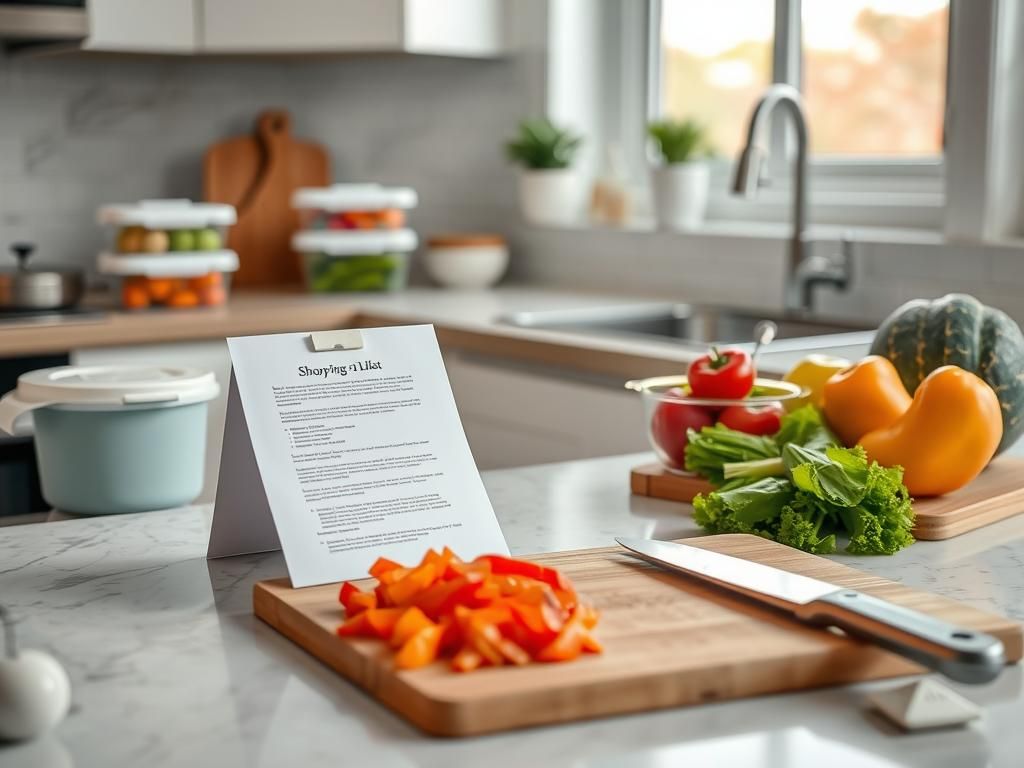
Why stress-free meal planning works
Meal planning removes last-minute decisions and reduces waste. A simple, repeatable system saves time and keeps your week predictable without extra effort.
Simple system in six steps
Choose 4–6 dinners you and your household like.
Map meals to days based on your schedule (easy nights on busy days).
Create a consolidated shopping list grouped by store section.
Prep one or two components at once: grains, roasted vegetables, or a protein.
Use leftovers intentionally: repurpose dinner for lunch or a new dish.
Adjust and repeat next week based on what worked.
Time-saving habits
Keep a short list of reliable recipes you can make without a recipe.
Batch-cook a base (rice, quinoa, roasted veggies) for multiple meals.
Freeze portions so you never face a wasted night.
Pantry staples to keep on hand
Canned beans, pasta, canned tomatoes, stock, and basic spices.
Long-life grains and a protein you prefer.
Quick weekly routine
Sunday: pick meals and buy groceries.
One evening: chop and roast or cook grains for the week.
Midweek: reassess and use freezer meals if needed.
Keep the plan simple, adjust for tastes, and focus on consistency. Small habits create stress-free weeks without extra complexity.