
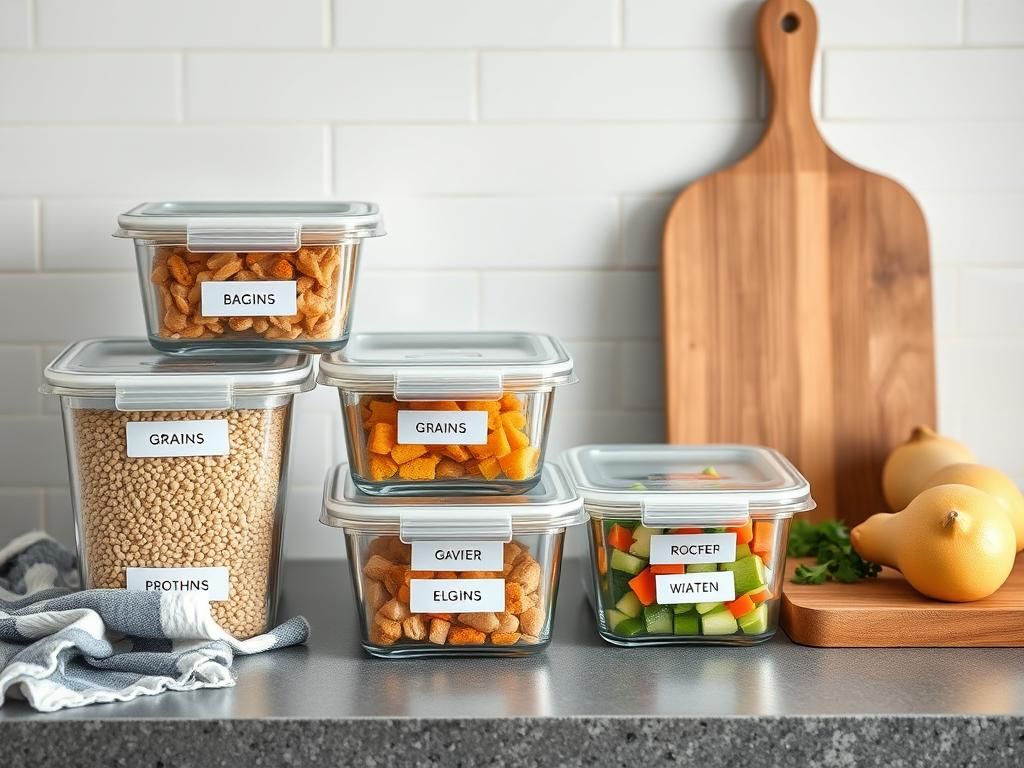
Why simple meal planning works
Meal planning doesn’t need to be complicated. A clear, repeatable routine reduces decision fatigue, grocery waste, and the time you spend cooking each week.
Three-step weekly routine
Plan: choose 3–4 dinners, 1–2 breakfasts, and snacks. Reuse ingredients across meals to shorten your shopping list.
Shop: build a focused list—staples, proteins, produce, and one treat. Limit shopping trips by prioritizing versatile items.
Prep: spend 60–90 minutes on one day to batch-cook proteins, wash and chop vegetables, and portion meals.
Practical templates
Template A (easy week): 2 proteins + 3 vegetables + 1 grain = mix-and-match dinners for five nights.
Template B (short time): 3 one-pan meals + 2 salads + 2 breakfasts that share ingredients.
Time-saving habits
Freeze portions: cook once, eat twice. Freeze half of large batches for busy days.
Use leftovers intentionally: turn last night’s roast into tacos, stir-fries, or soups.
Keep a running list on your phone for staples and favorite recipes to speed planning.
Keeping it consistent
Start small: plan two dinners and one batch-prep task this week. Track what works, adjust portions, and lock four reliable meals into rotation. Over time this simple system saves time, money, and stress.