
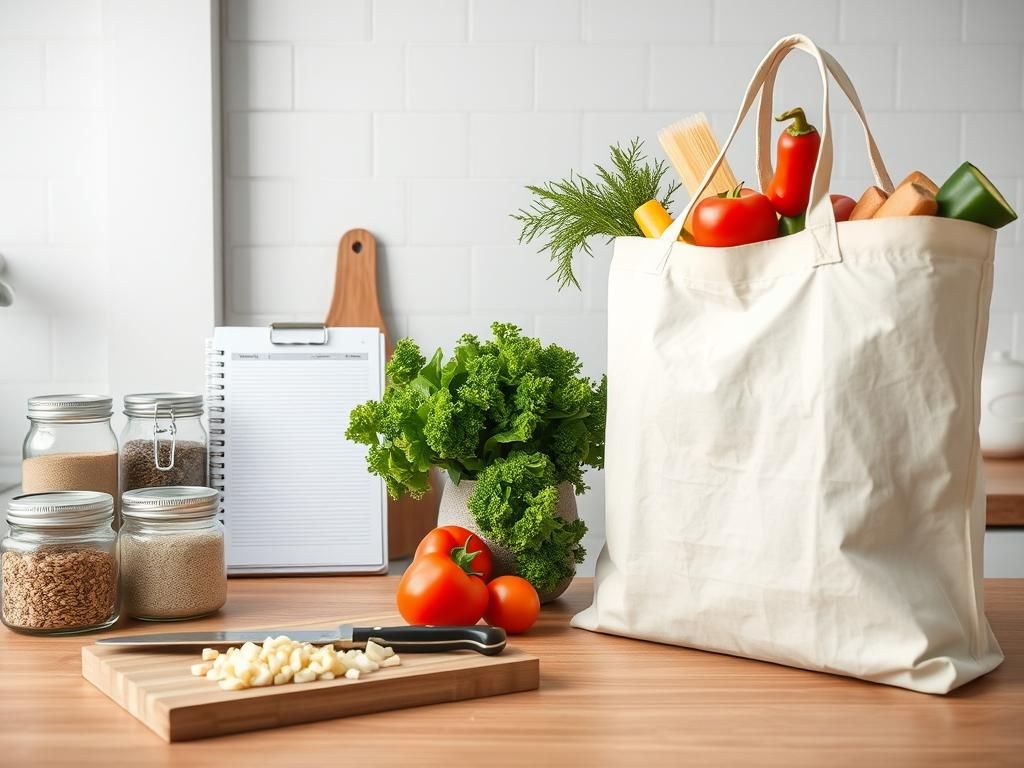
Meal planning becomes manageable when you use a small set of clear practices. The aim is to reduce decision fatigue, save time, and eat balanced meals without esforço. Below are practical steps to build a weekly menu that fits real life.
Start with a simple framework
Create a repeatable template for the week so you only decide details, not structure.
- Choose themes: protein-forward, meatless, pasta, grain bowl, or soup.
- Assign days: family night, quick night, leftovers night.
- List staples for breakfasts and lunches to rotate easily.
Inventory and shopping
Work from your pantry and fridge before you shop. Make a focused list grouped by section to move quickly through the store.
- Check what you already have and note amounts.
- Add recipes' missing ingredients to the list.
- Prioritize perishables and plan their day-of use.
Batching and simplicity
Cook components, not only full meals. Roasted vegetables, a pot of grains, and a cooked protein can be mixed into several dishes.
- Cook once, use three ways: bowl, wrap, salad.
- Reserve portion for a planned leftovers night.
- Label and date containers for clarity.
Balance and variety
Keep each plate simple: a protein, a vegetable, a whole grain or starchy vegetable, and a healthy fat. Rotate produce and spices to avoid repetition.
Small upfront planning saves time, reduces waste, and makes weekday meals calmer and more nutritious.