
Meal planning turns rushed dinners into calm, reliable meals. This guide gives clear, practical steps to plan a week efficiently and realistically, even when time is tight.
Start with a simple template
Pick 2–3 proteins, 2–3 bases (rice, pasta, greens), and a handful of vegetables. Create a weekly outline such as two quick nights, one batch-cook night, one flexible night for leftovers or takeout.
Plan in 30 minutes
Map meals on a single page: breakfasts, lunches, dinners, snacks.
Make one shopping list grouped by store section to save time while shopping.
Check the fridge for existing items to avoid buying duplicates.
Batch cook smart
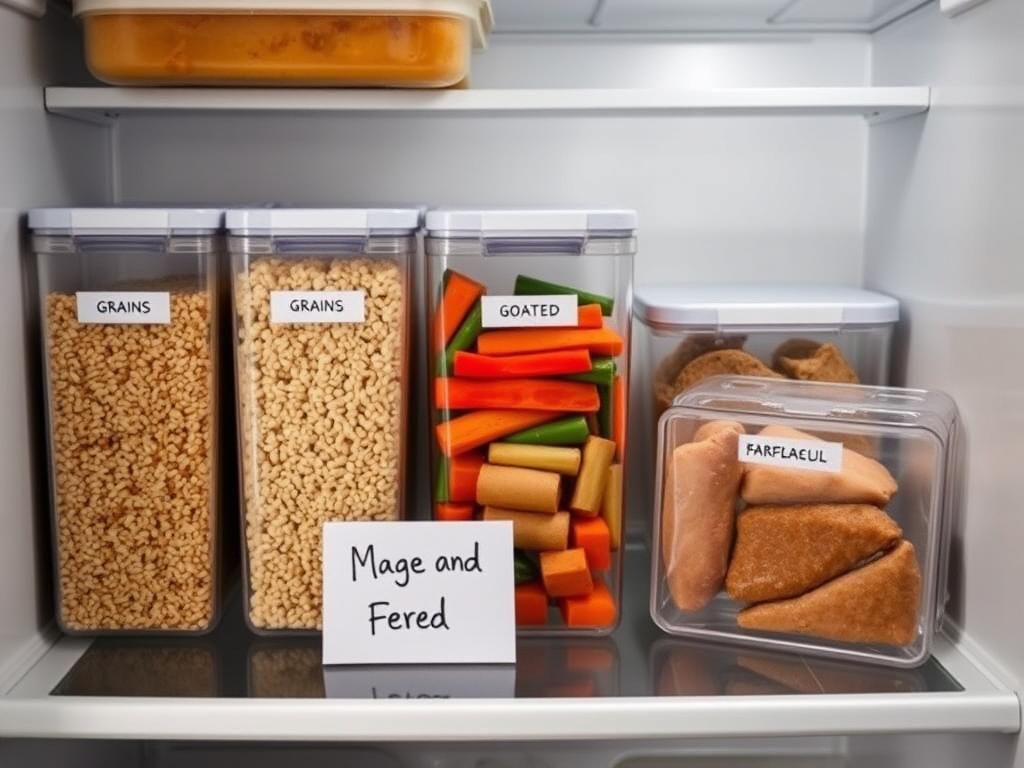
Cook staples once: grains, roasted vegetables, and a protein. Combine them in different ways across the week to keep meals interesting and fast.
Storage and safety
Cool food within two hours and use airtight containers.
Label containers with contents and date. Freeze portions you won’t use within three days.
Quick strategies for busy nights
Keep 2–3 go-to recipes that you can make in 30 minutes or less.
Use frozen vegetables, canned beans, and pre-cooked grains to cut prep time.
Start small: plan two dinners this week and refine what works. Consistent, simple steps reduce decision fatigue and make weekly meals manageable.