
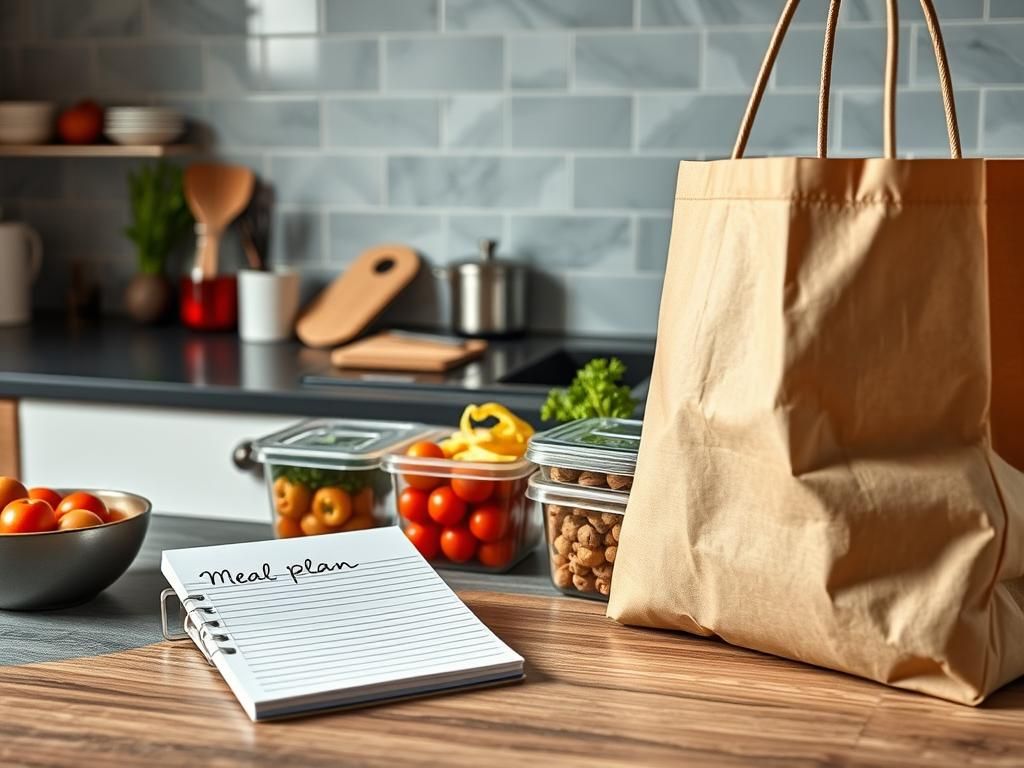
Plan with purpose
Start by listing meals you and your household actually enjoy. Decide how many dinners you need each week and mark which nights are busiest so you can match effort to schedule.
Core structure for each week
Use a repeatable pattern to reduce decision fatigue: one sheet-pan meal, one slow-cooker or braise, two quick stovetop dinners, one make-ahead dish, and one leftover night. A simple framework makes planning faster.
Grocery and prep
Write a consolidated shopping list organized by store section. Choose versatile ingredients that appear in multiple meals to cut waste and cost.
- Batch-cook a grain and a protein early in the week.
- Chop vegetables and store them ready to cook or roast.
- Portion sauces, dressings, and toppings so assembly is fast.
Balancing the plate
Aim for half vegetables, a quarter protein, and a quarter whole grains or starchy vegetables. Simple seasonings and a bright element like lemon or fresh herbs will lift everyday food.
Sample week
- Monday: Sheet-pan salmon with roasted vegetables.
- Tuesday: Stir-fry using pre-cooked rice and mixed vegetables.
- Wednesday: Slow-cooked chili that makes extra for lunches.
- Thursday: Leftovers transformed into tacos or grain bowls.
- Friday: Quick pasta with sautéed greens and a simple protein.
- Saturday: Make-ahead grain bowls with varied toppings.
- Sunday: Flexible night for dining out, takeout, or family choice.
Practical habits
- Keep a running shopping list on your phone and update it as you notice staples running low.
- Cook once, eat twice: plan intentional leftovers and reuses.
- Adjust portion sizes and swap ingredients to match dietary needs or what’s on sale.
Begin with planning three dinners a week and build from there. Consistent, simple habits are more sustainable than complex plans.